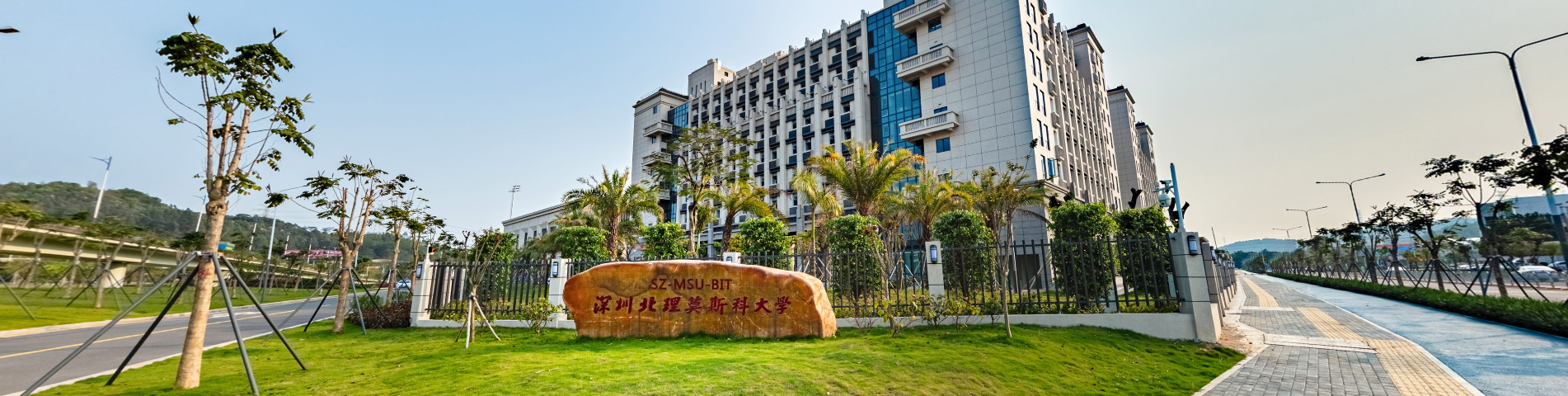
Located at the forefront of reform and opening-up, the Department of Economics at Shenzhen MSU-BIT University has always been committed to serving economic openness and cooperation. Leveraging the advantages of Sino-Russian collaborative education, it actively promotes scientific research innovation to meet the needs of the Guangdong-Hong Kong-Macao Greater Bay Area construction, globalization, and digital development. In recent years, the department has secured approvals for Guangdong Province's innovation teams and humanities and social sciences research bases, with sustained growth in research projects and high-level achievements. To further strengthen its research culture and enhance faculty capabilities in research and social service, the Department of Economics organized a research workshop on December 7th, aligning with its disciplinary development. The event invited renowned scholars to provide guidance and exchange insights on refining scientific questions, research design, and methodological innovation.
The event was chaired by Professor Meng Fanchen, the Chinese Director of the Department of Economics. Invited experts and scholars included Professor Ran Lun, Professor Zhao Zhongqiu, Professor Ma Baolong, and Professor Professor Zhang Lingxiang from Beijing Institute of Technology, as well as Professor Niu Baozhuang from South China University of Technology. All faculty members of the Department of Economics at Shenzhen MSU-BIT University participated in the exchange.
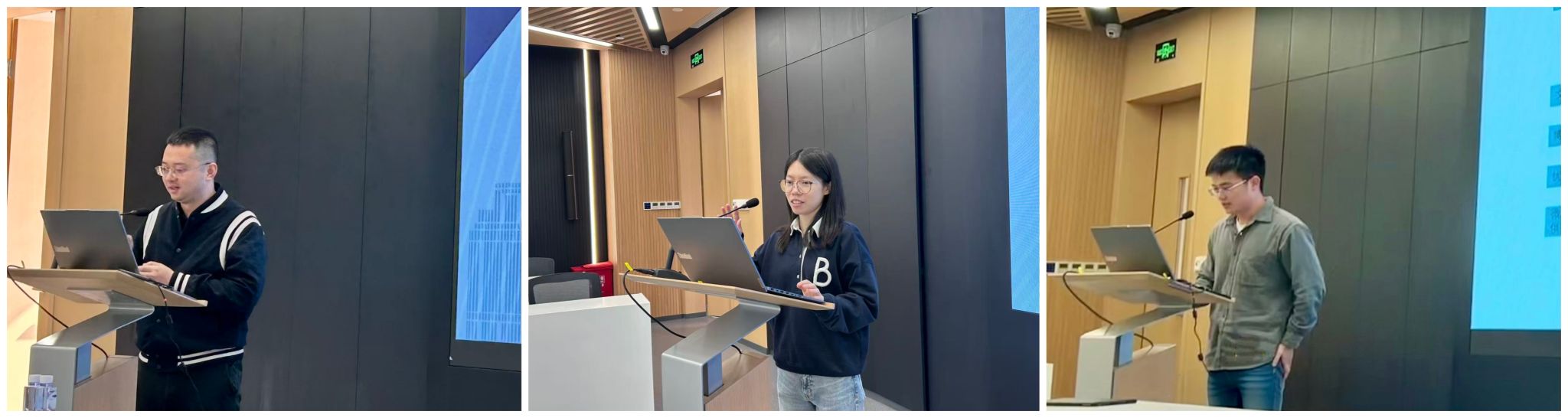
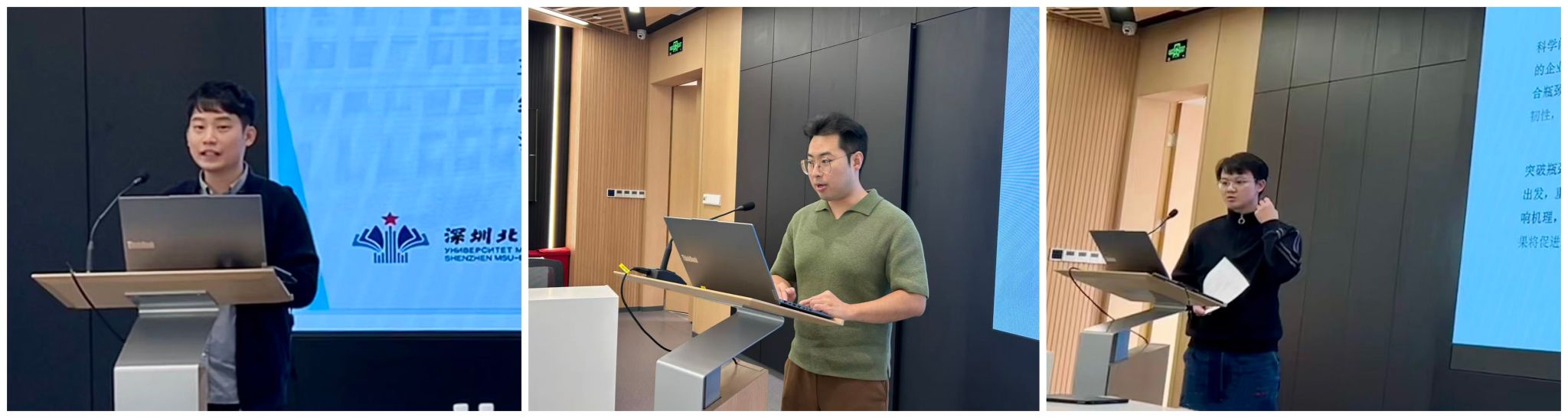
During the presentation session of the research workshop, all faculty members of the Department of Economics exchanged their academic achievements and proposed research topics for future projects across cutting-edge fields such as digital economy, sustainable development, supply chain resilience, AI applications, financial innovation, and regional economics. The attending experts highly commended the research efforts of young faculty members and provided valuable suggestions on topic selection, research methodologies, outcome summarization, and how research can serve disciplinary development.
The successful hosting of this research workshop not only reflects the institutionalization of the Department of Economics' research culture and academic exchange mechanisms but also holds significant importance for enhancing the department's research innovation capabilities and strengthening disciplinary development in service of societal progress. Moving forward, the department will continue to build this high-frequency, high-quality exchange platform to further stimulate the research vitality of young scholars, sharpen the focus of research efforts on serving the Greater Bay Area development and national strategic needs, and effectively drive the optimization of the research ecosystem and the overall advancement of innovation.